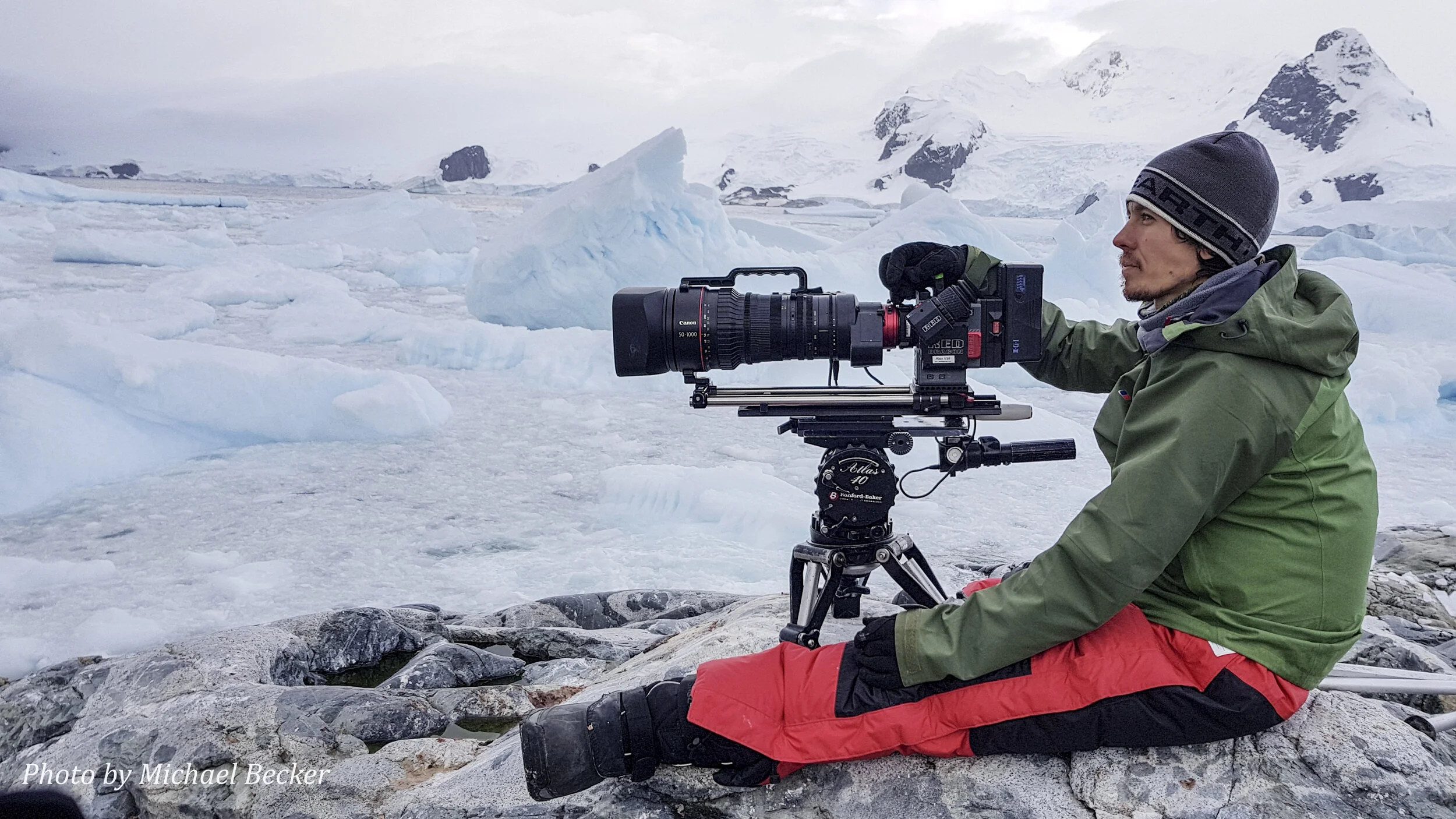
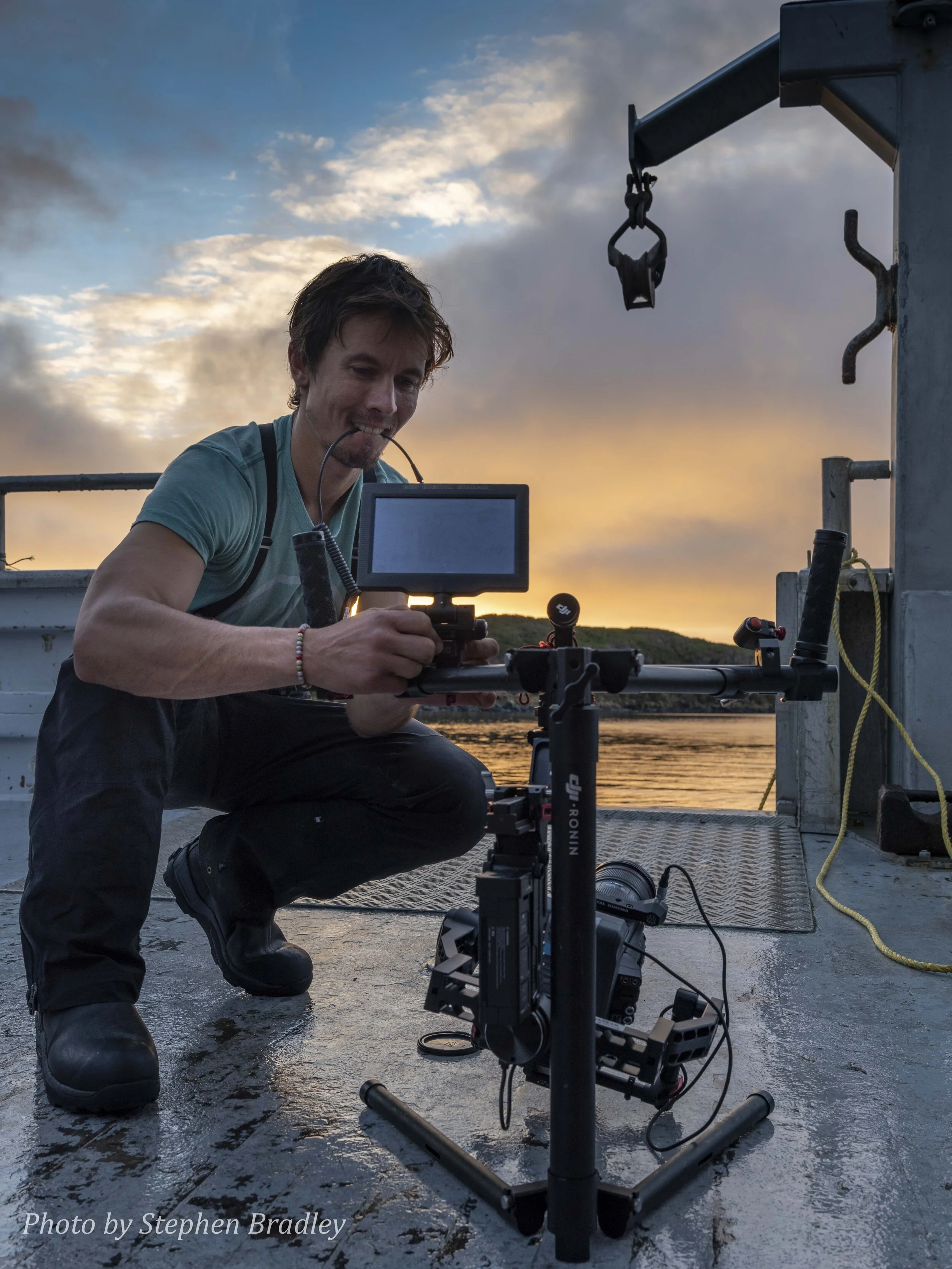
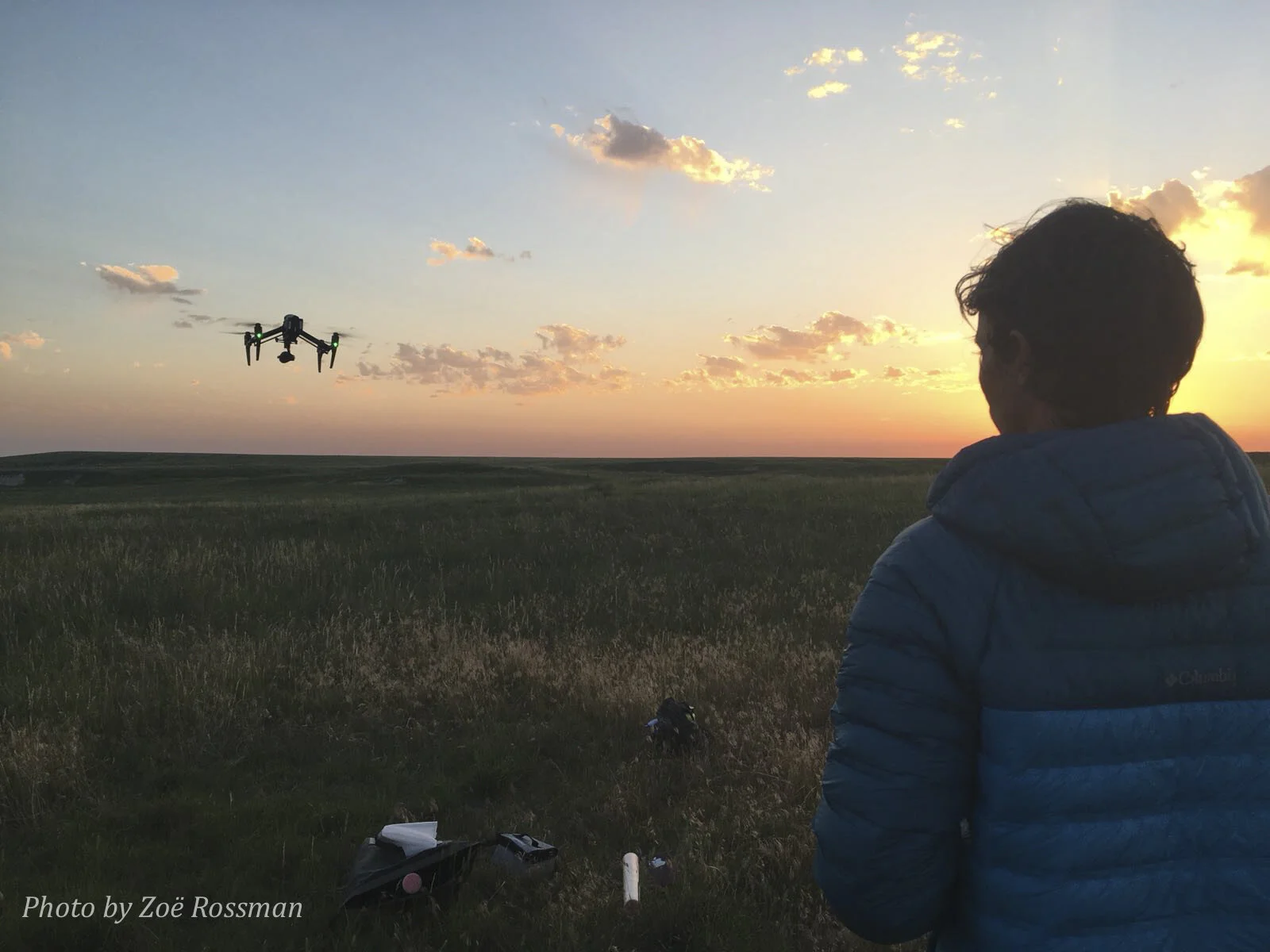
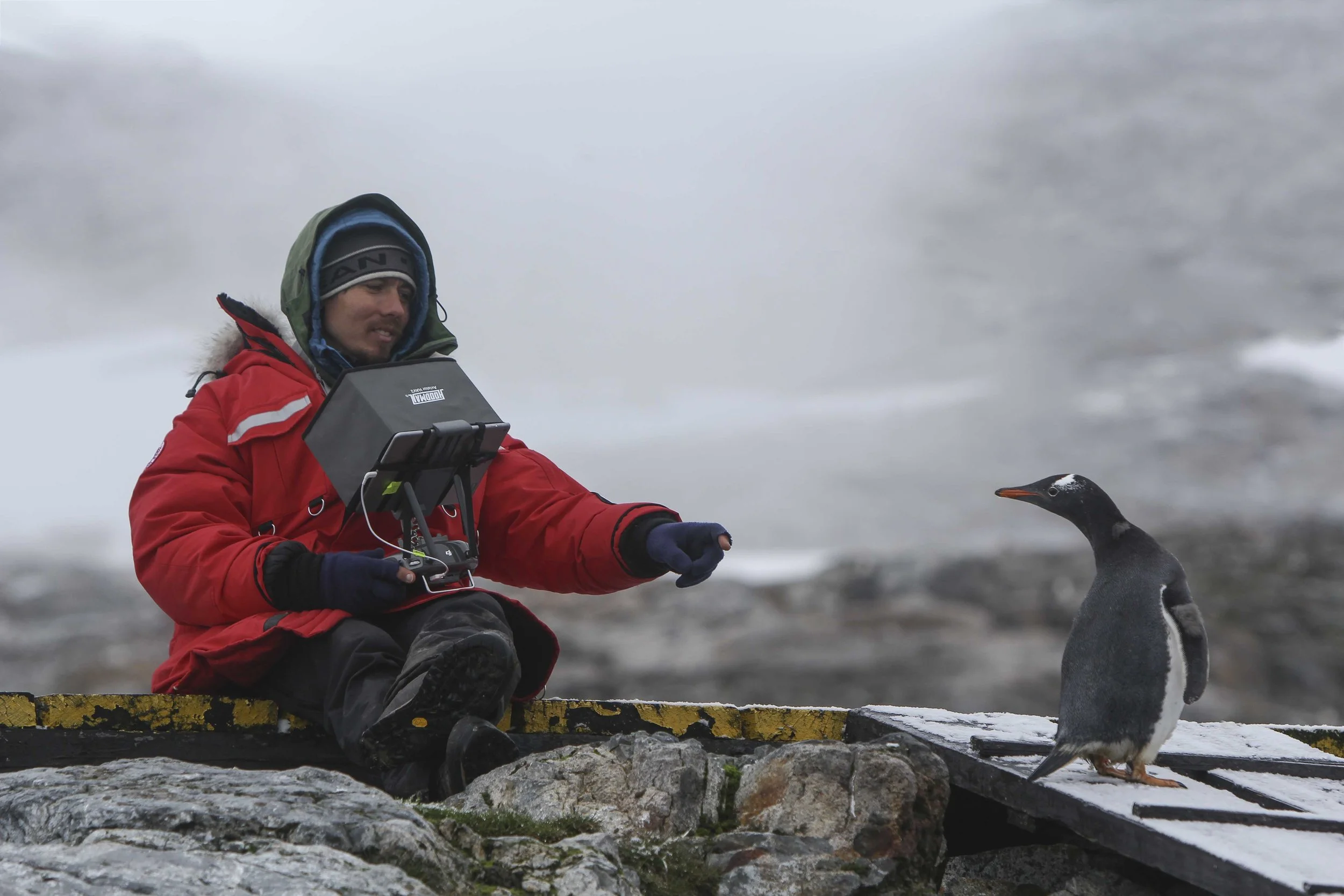
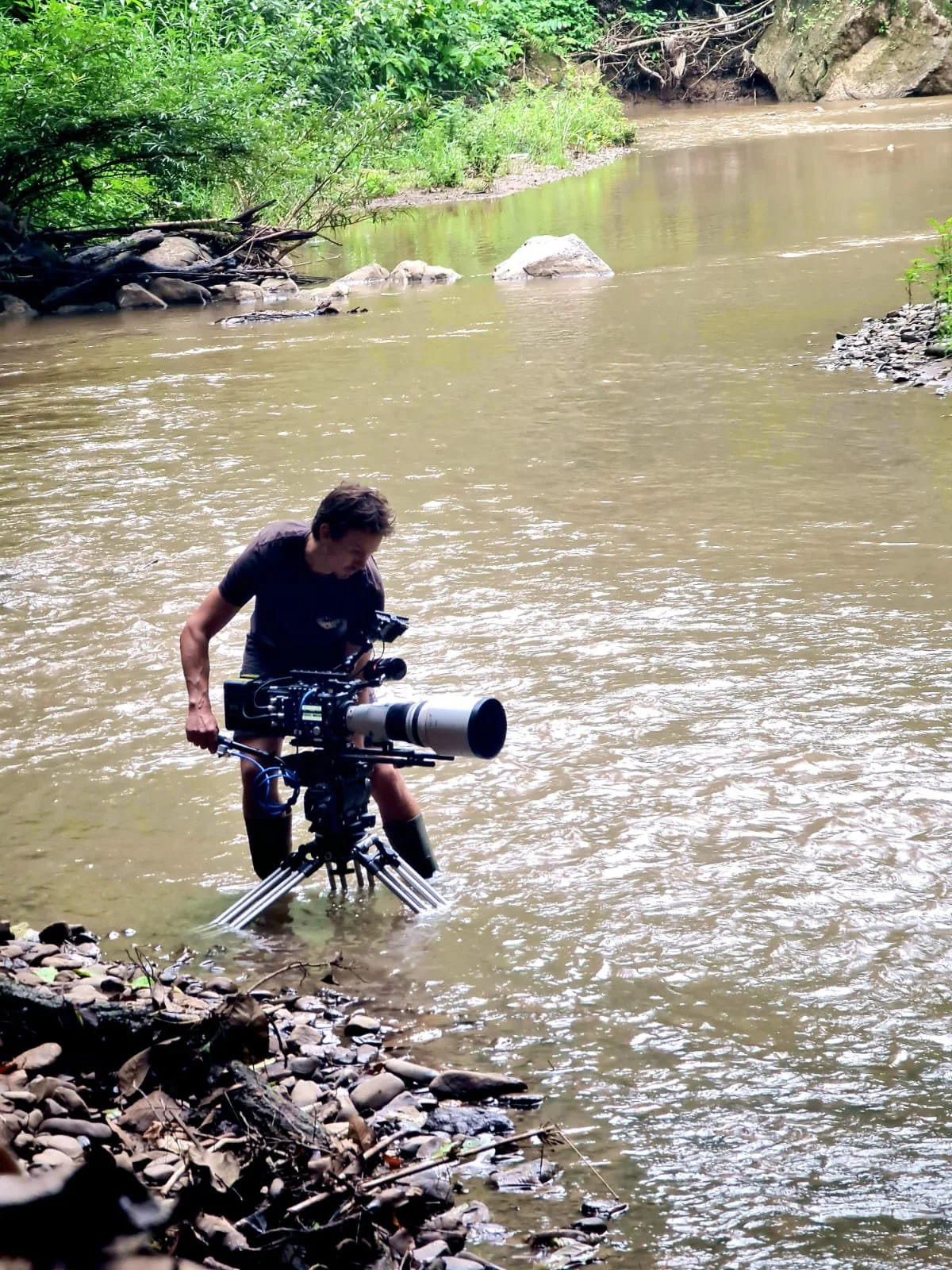
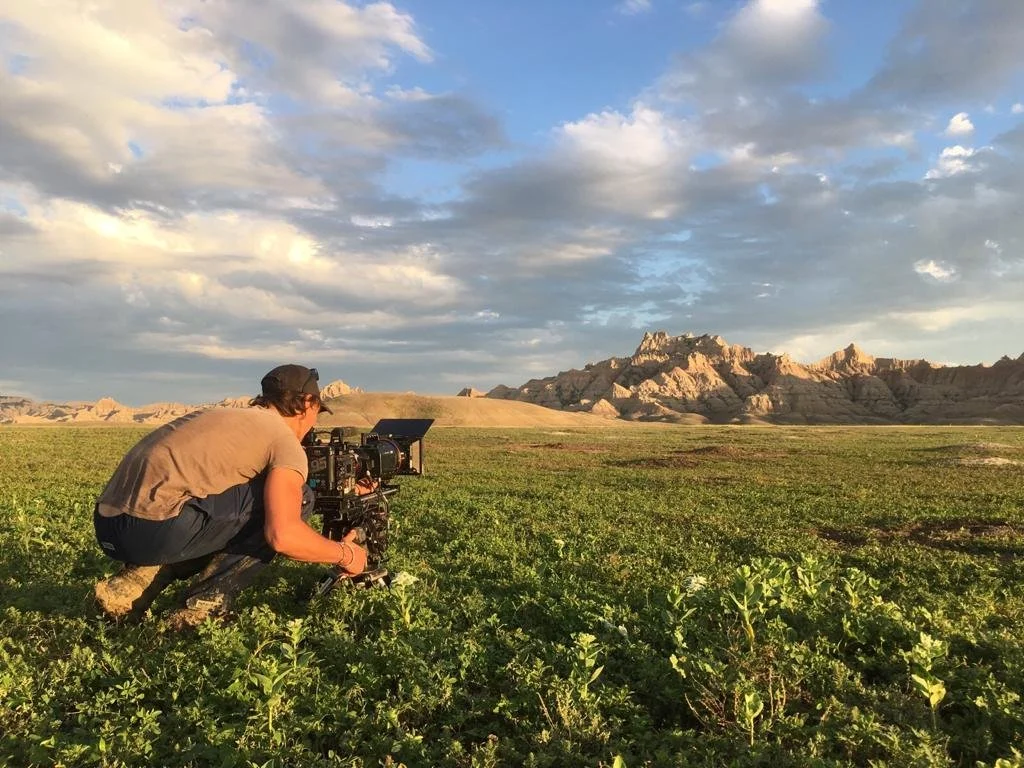
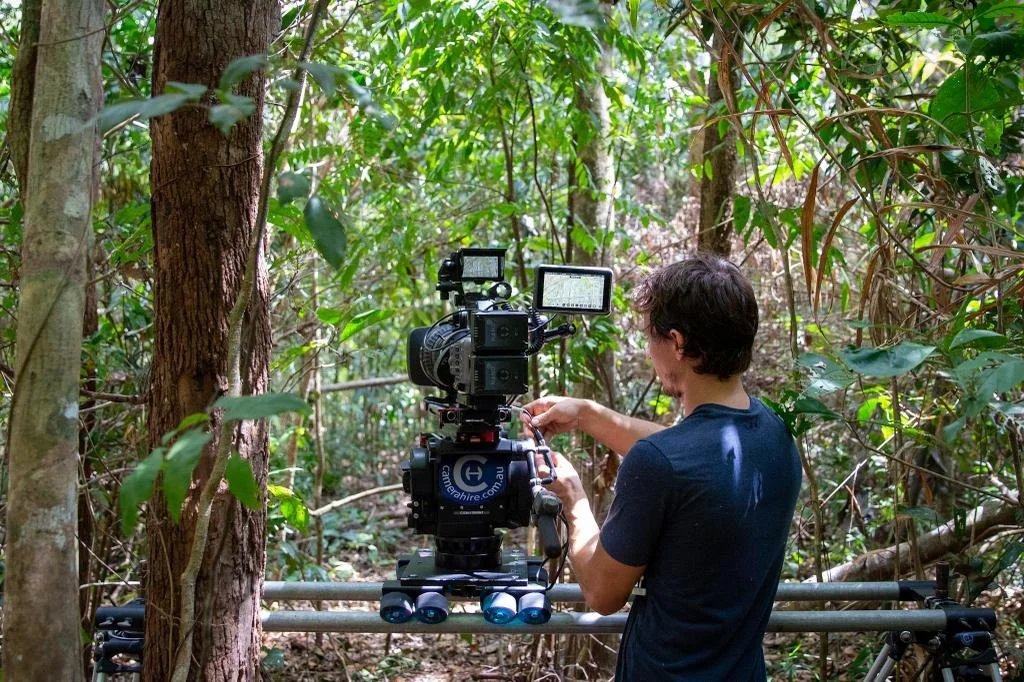
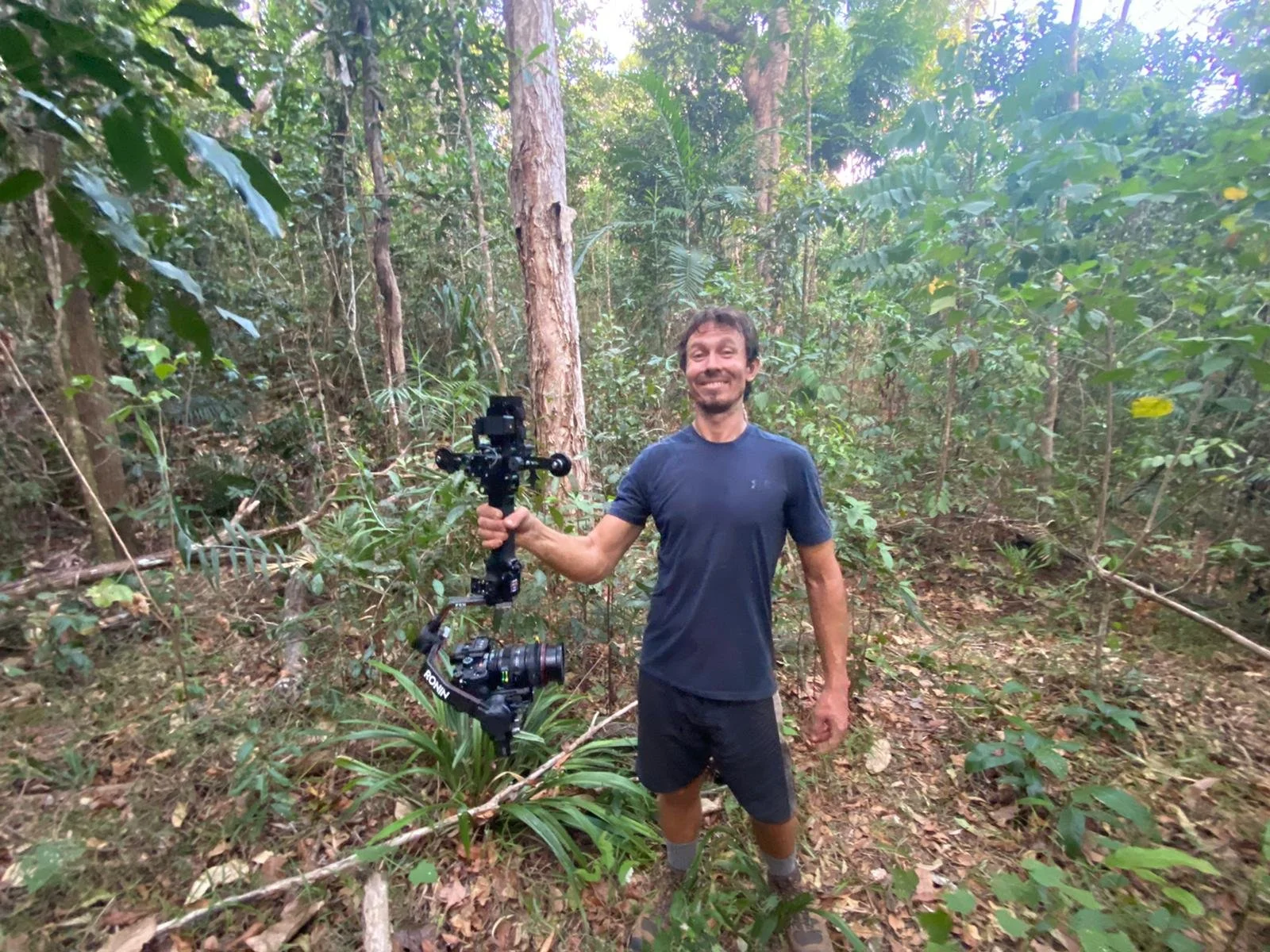
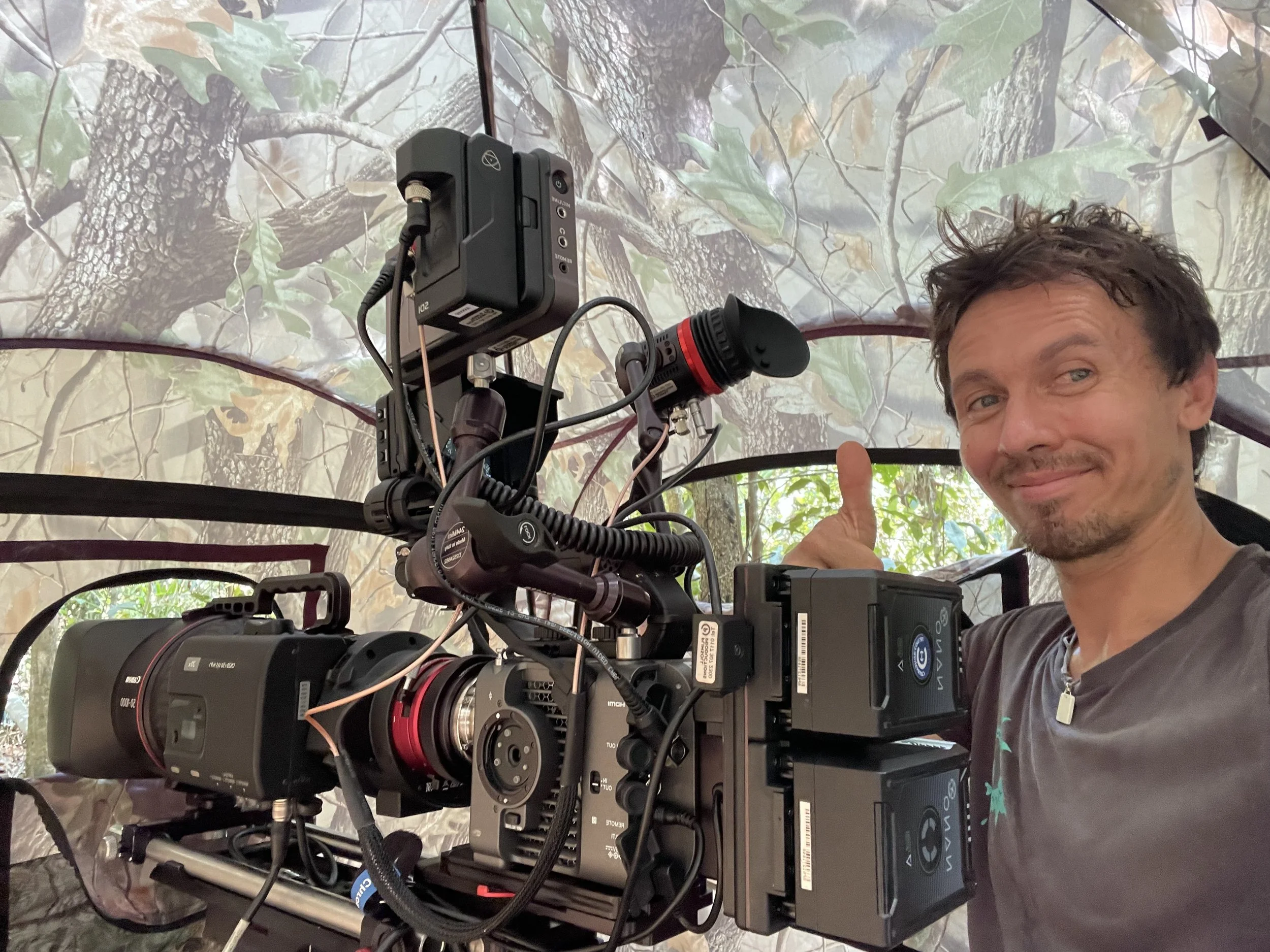
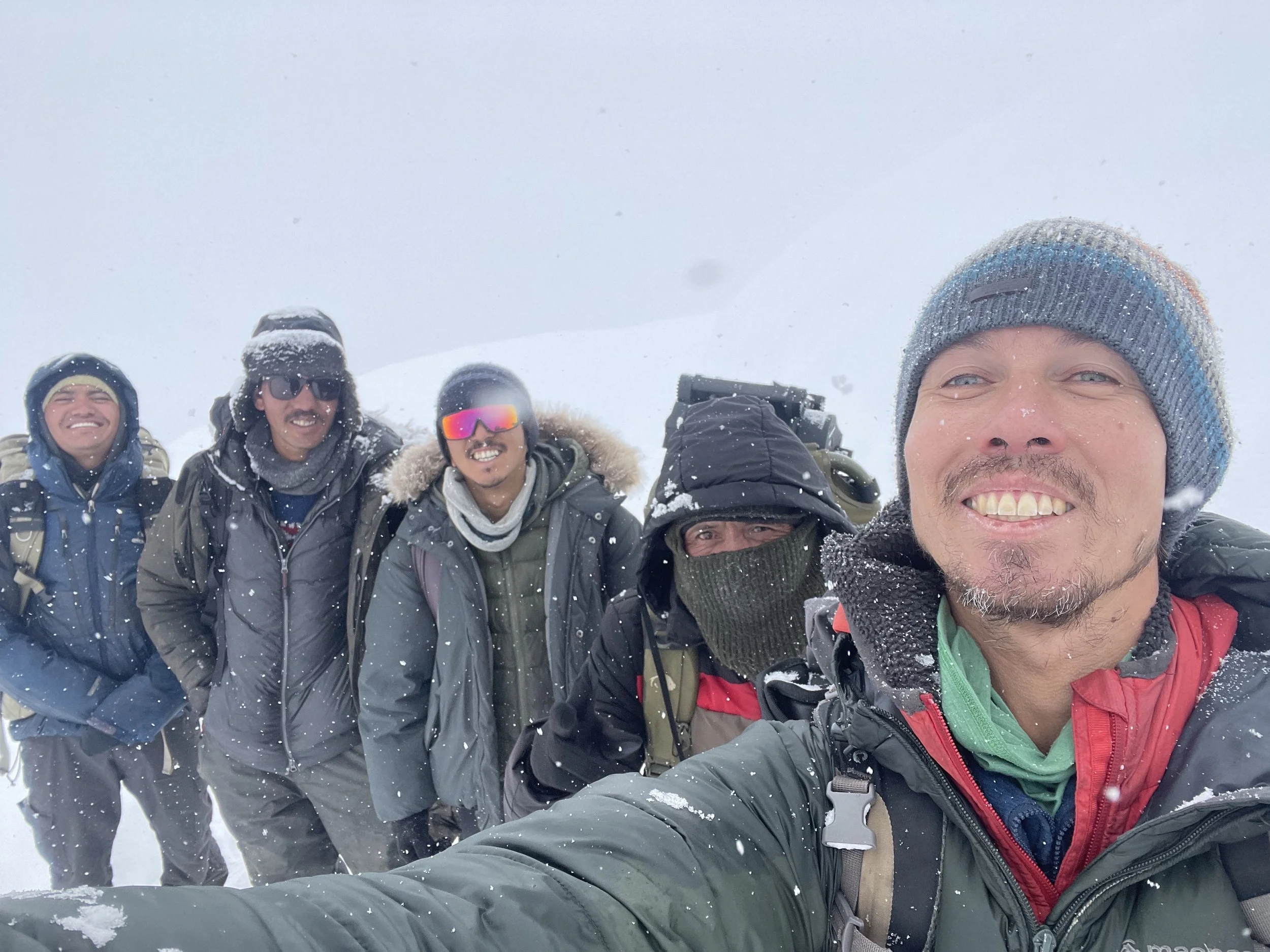
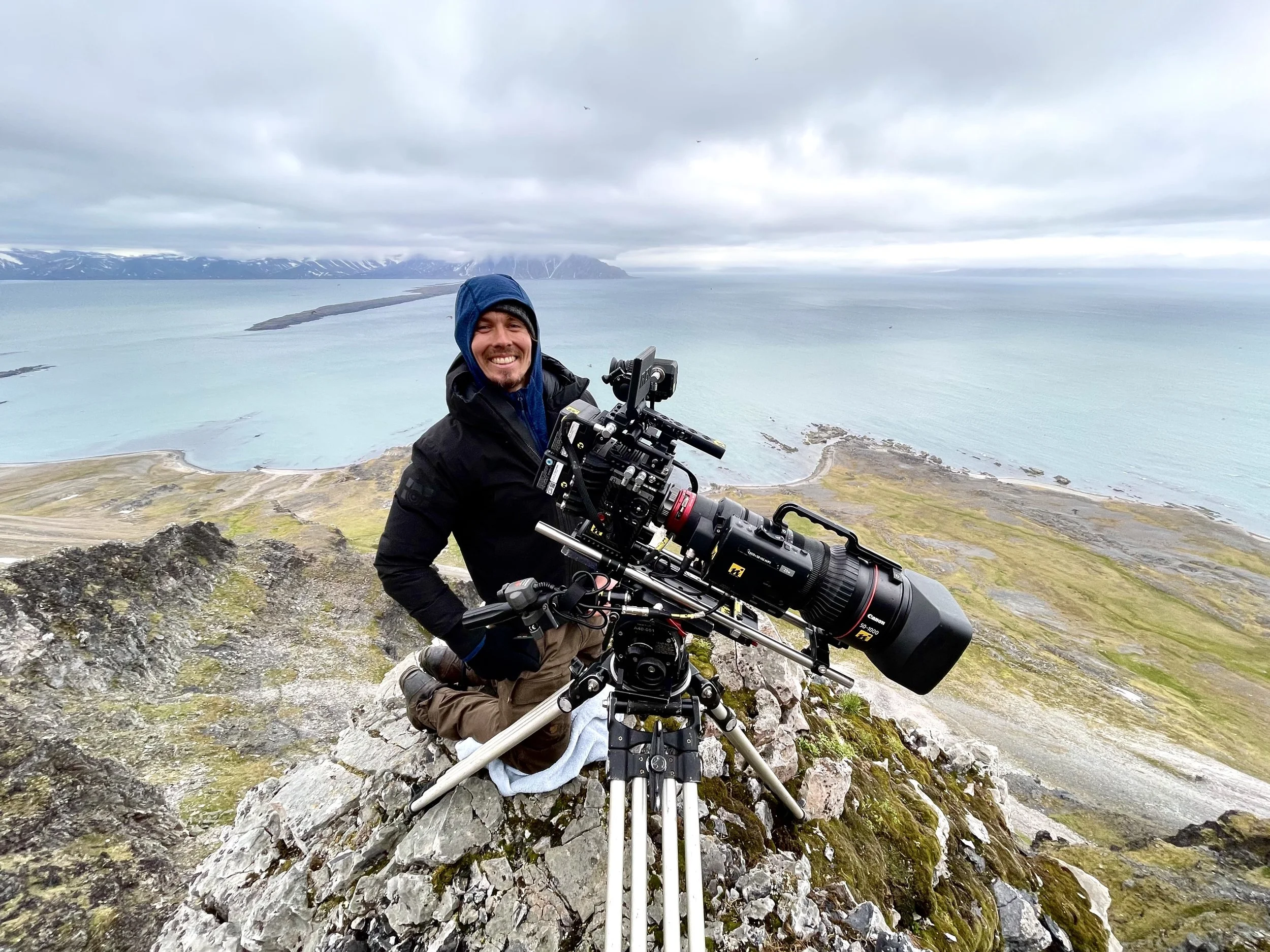
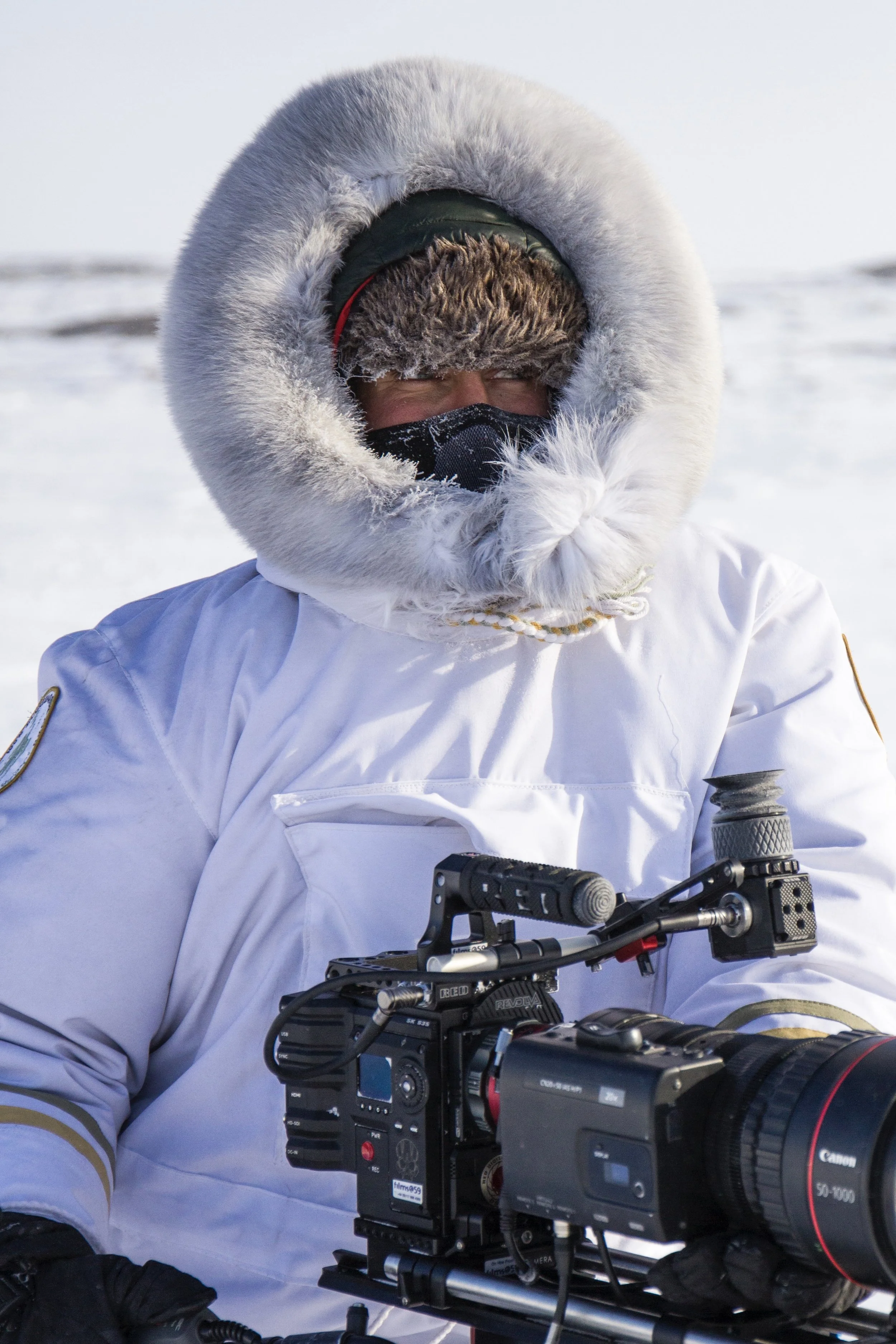
Hi, nice to see you! To tell you a little about myself, I’ve been working in natural history cinematography for around 12 yeas now. Long lensing animal behaviour (ideally with a good schlepp involved) and underwater (from fast moving whales to grip-heavy macro) are my main specialities. I also love using a wide variety of filming technologies (particularly handheld gimbals and drones) to help bring a sequence and its animal characters to life.
I’ve filmed nearly exclusively on landmark natural history series for most of my career. These include:
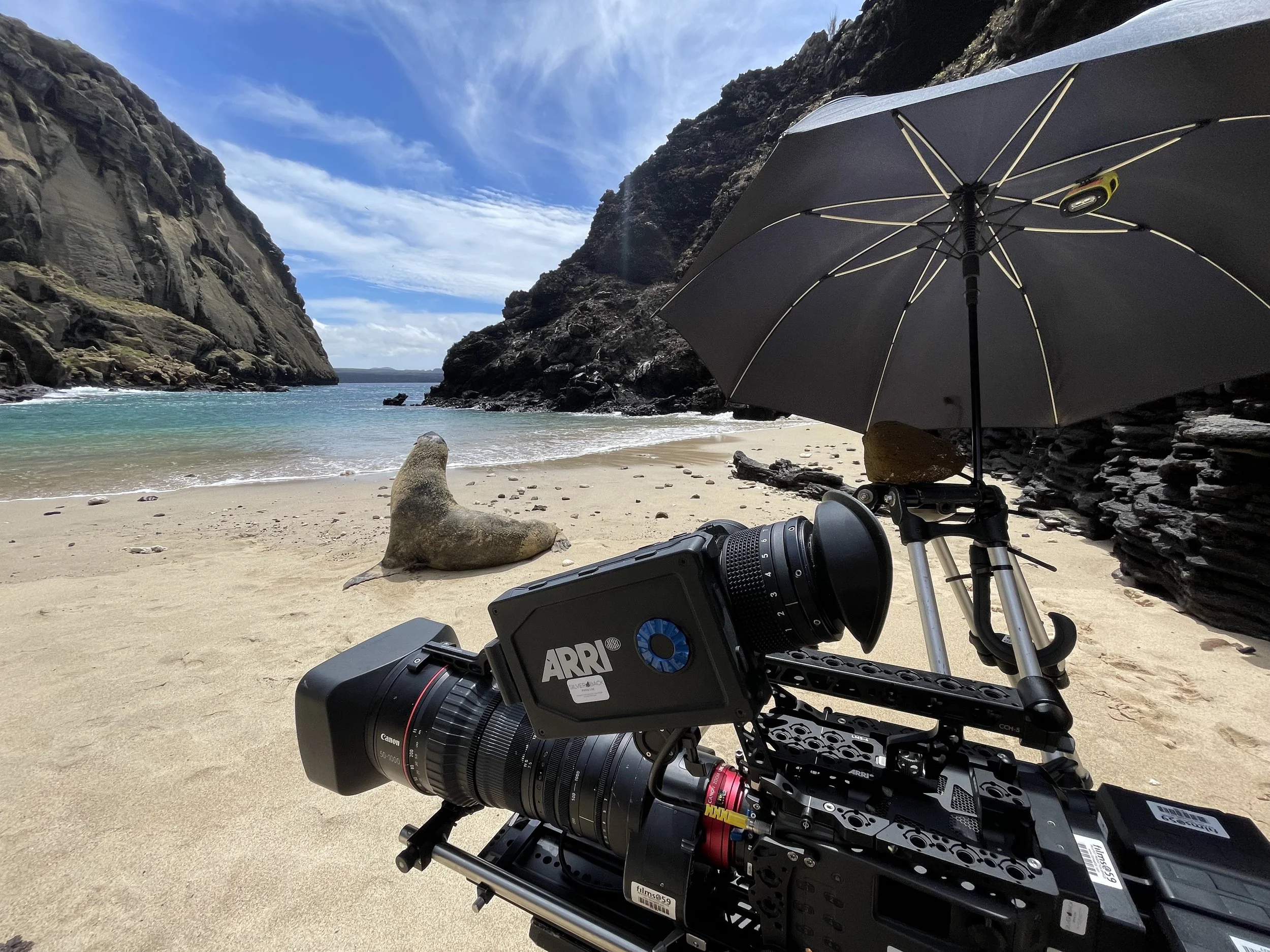
HOME Asia (BBC for National Geographic) - Blue Planet III (BBC)- Asia (BBC) - Sea Lions of the Galapagos (Silverback for Disneynature) - Our Oceans (Netflix) - Mammals (BBC) - Planet Earth III (BBC)- A Year on Planet Earth (Plimsoll for Sky)- The Mating Game (Silverback for BBC)- Life on Our Planet (Silverback for Netflix) - Frozen Planet II (BBC) - Perfect Planet (SilverBack for BBC) - Growing Up Animal (Disney +) - Tiny Worlds (Apple) - Seven Worlds, One Planet (BBC) - Hostile Planet (National Geographic) - Our Planet (Netflix) - Blue Planet II (BBC)
Key awards: BAFTA for Photography: Factual (2018 - Blue Planet II) - Nomination for BAFTA in Photography: Factual (2022 - Tiny Worlds)
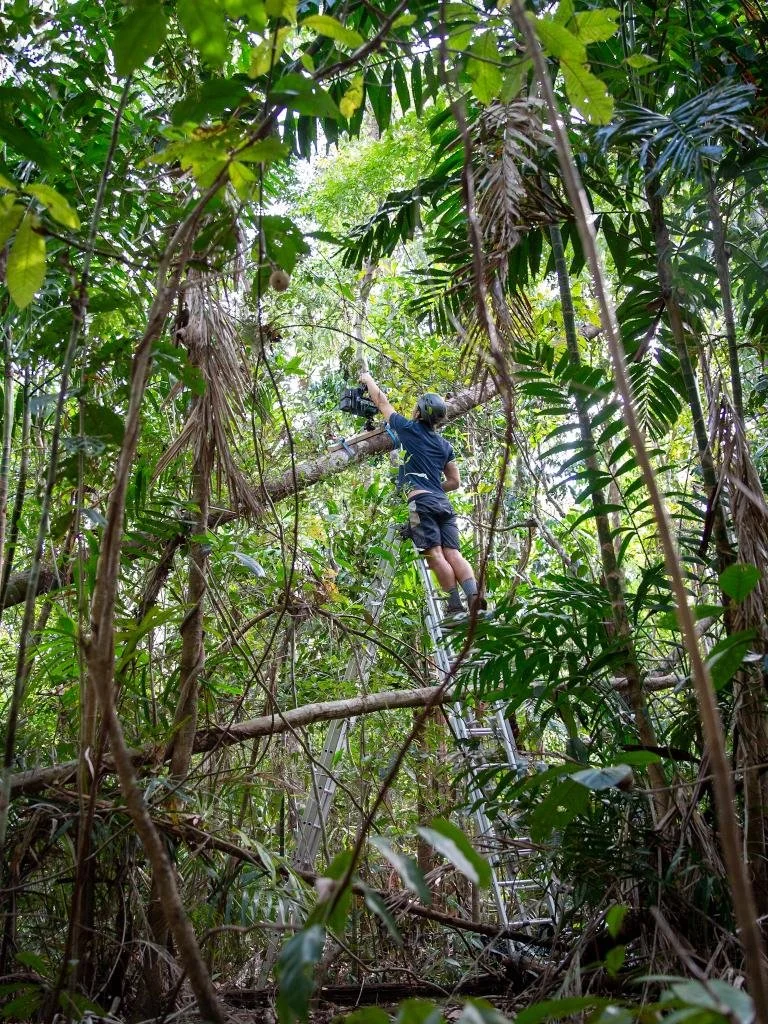
While long lensing and underwater are not a typical combo, I feel that devoting roughly half my work time to each keeps my viewpoint fresh and eyes open for new ways to capture a character, spectacle, or environment. Over the last couple years I’ve been DoPing a BBC episode on primates in Brazil, which has me mostly on the long lens, and also a decent bit of handheld gimbal and drone. Alongside this I’ve been the main DoP for the opening episode of the upcoming Blue Planet III for the BBC, which has had me working mostly underwater (rebreather and free diving), but also putting my topside skills to use on some of the shoots. I’m so excited for you to see both these series soon!
I love to understand my filming subject deeply, and prior to starting my filming career I completed a PhD in animal behaviour (University of Cambridge). This has given me a deep appreciation of why animals do what they do, and a leg-up in predicting when they will exhibit key behaviours, and how to capture these through the viewfinder.
Long lensing is to me, the purest way to capture animal behaviour in a way that is as little affected by us as possible. This is why it is such a core focus of my work. However, some animals and situations lend themselves better to other techniques. Furthermore, in building a sequence it’s important to bring the world around our characters to life, and in many cases do so from their point of view. To address these needs with with visual flare I’m experienced with most other filming technologies and techniques frequently used in natural history, including:
Gimbals (both small and large)Drones (for fast paced animal behaviour and scenics) - Camera traps (Cognysis) - High speed (Phantom) - Low light (e.g. FX6 and fast primes) - Cable cams (scenics and behaviour) - Motion control timelapse (e.g. Emotimo ST4)- Jibs (from Foxy panther to ABC crane) - Remote cams - A little macro
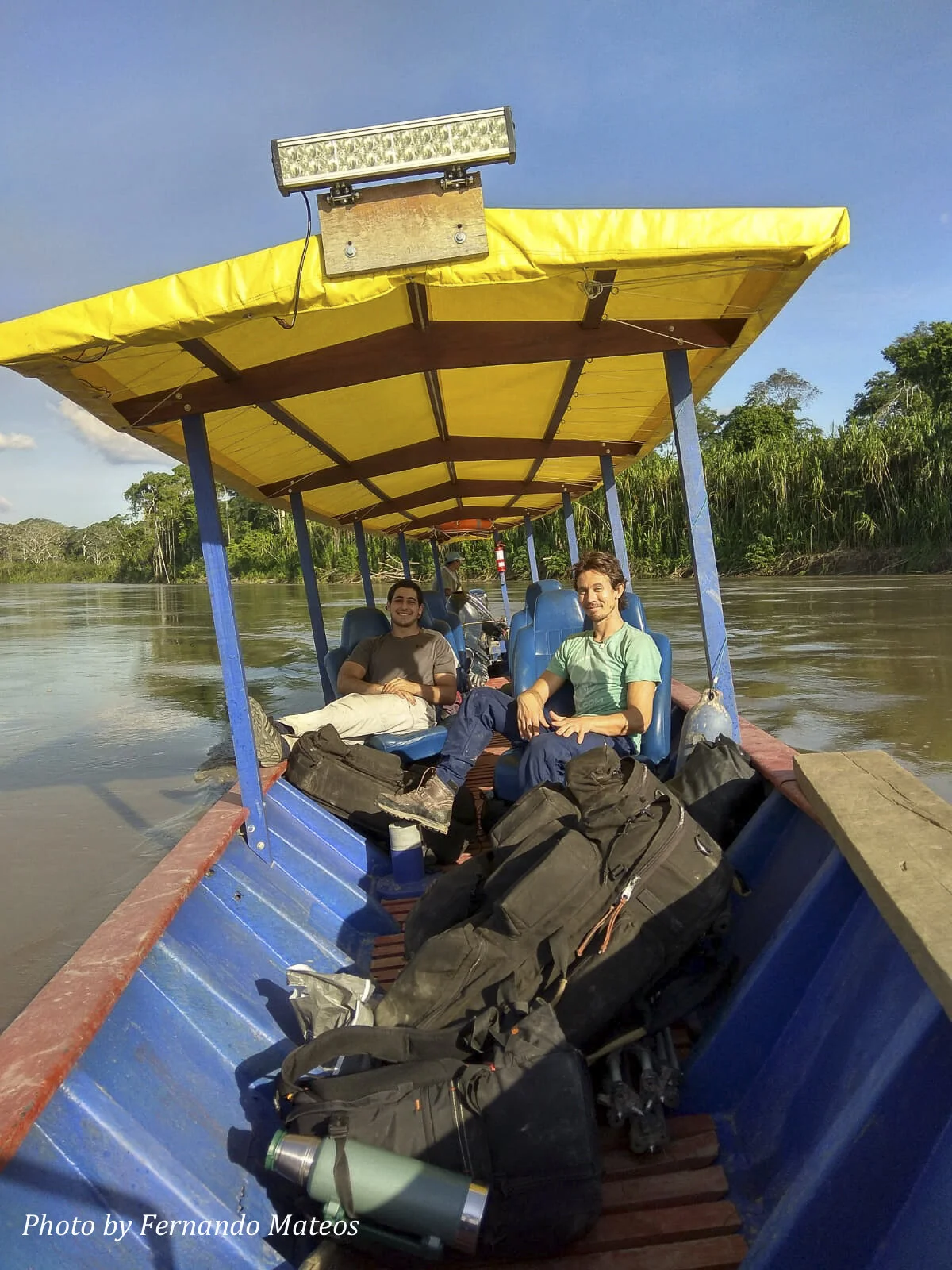
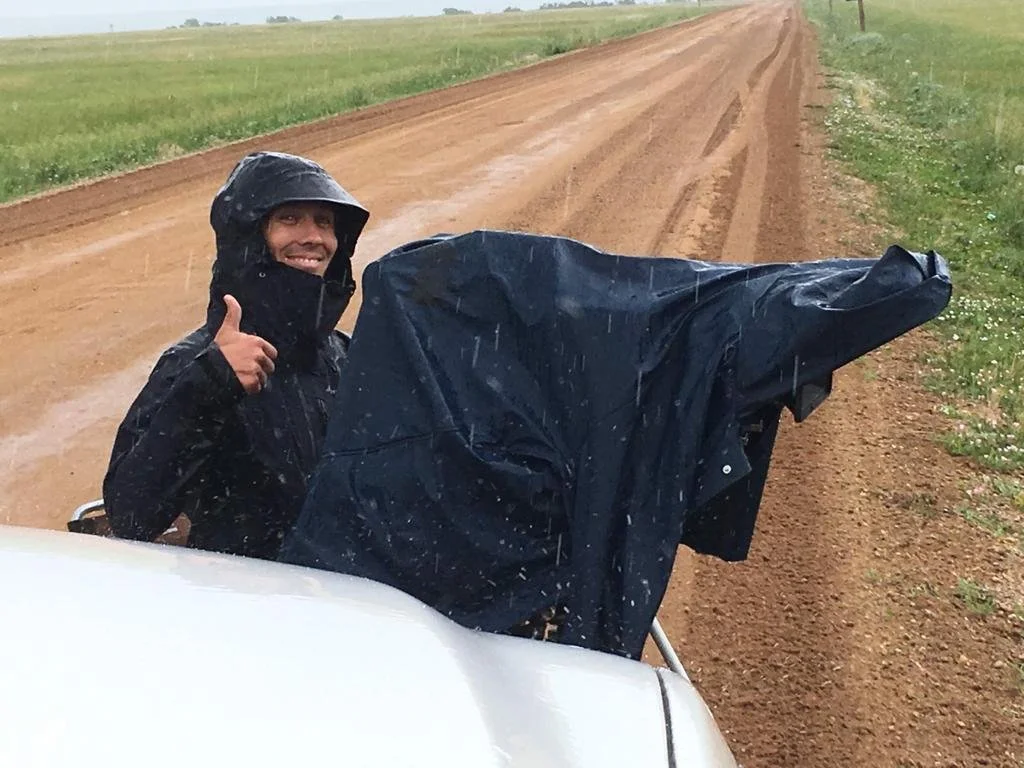
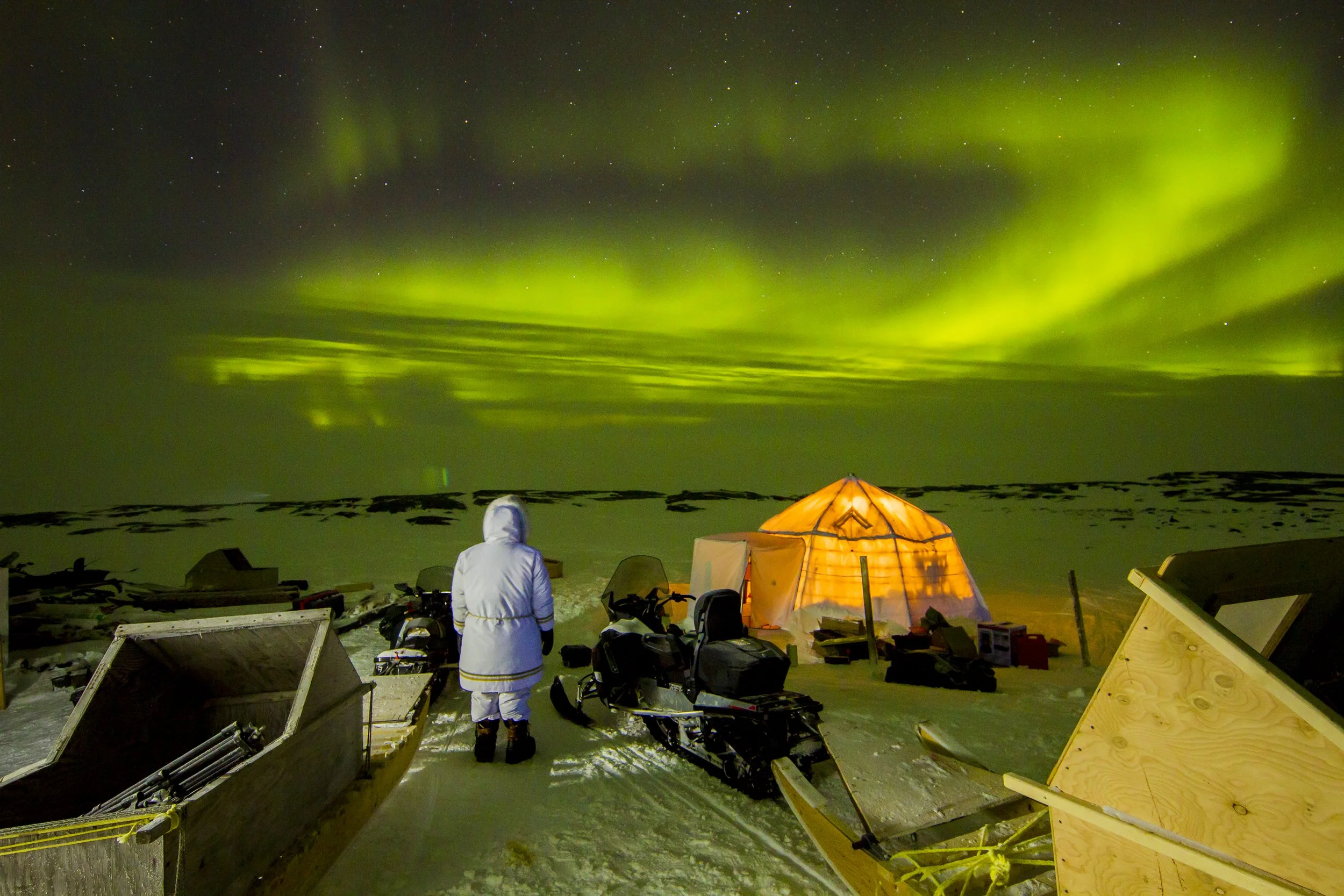
I love a good slog and a challenge – walking up freezing cold mountains carrying heavy things is my idea of a great time. I feel so very lucky to have spent extended periods in some of the most remote (and sometimes hostile) places on our planet. Although I thrive in cold environments (Artic, Antarctic, High altitude - I’ve spent around 17 months over 13 shoots in such places over the last 7 years) I grew up in the tropics and also love the heat, so am also comfortable filming in jungles , deserts and plains. I’m also very happy spending extended quiet time sitting in a hide (freezer and sweat-box versions are both ok).
I grew up on a small island in Australia and underwater filming was my gateway into the industry. Although for many years now I’ve focussed equally on topside, I still love working underwater, and am experienced on rEvo rebreathers, open circuit, and freediving (as well as sloshing around in ankle deep mangrove swamps). Using these I’ve filmed many underwater sequences from the polar regions to coral reefs.
Finally, I love being around good people, and this is one of the things that makes this job one of the best in the world. I learn so much from people from production, other cinematographers, and all the knowledgable locals I get to meet on shoots. Cheers and I hope we meet in person soon!
Contact: alex.vail08@gmail.com